
Caltrans Can Lower Highway Speed Limits (AB 1014): How Speed Changes Affect Negligence and Rear-End Claims
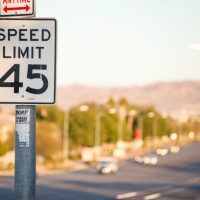
Speed limit changes don’t automatically shift fault in your rear-end accident case, but they can complicate how insurance companies evaluate your claim.
If you’ve been hit from behind on a California highway, you might be worried that a recent speed limit change will hurt your case. Or maybe the other driver is claiming you were driving too slowly for the new limit. Either way, you need to understand how AB 1014 actually affects negligence determination in rear-end collisions.
Most rear-end accidents follow the same fault rule regardless of speed limits. The driver who hits from behind is usually responsible. But when Caltrans lowers a highway speed limit, insurance adjusters sometimes try to argue the front driver was creating a hazard by driving the “old” speed. We’ve seen these tactics used to reduce payouts or deny claims entirely.
At Hicks Law Firm, PC, our Orange County car accident attorneys have handled hundreds of rear-end collision cases across California highways. We know exactly how speed limit changes under AB 1014 interact with negligence laws, and we’ve successfully protected clients from unfair fault-shifting arguments that could have cost them thousands in compensation.
The truth is, California law still requires drivers to maintain safe following distances and control their vehicles regardless of what the speed limit sign says. A speed limit change doesn’t erase the rear driver’s duty to avoid hitting you. But you need the right evidence and legal arguments to prove this to insurance companies.
No, You’re Not Automatically at Fault Because the Speed Limit Changed
The rear driver is still responsible for maintaining a safe following distance, no matter what the speed limit says. This is fundamental California law that predates AB 1014 and doesn’t change when Caltrans adjusts highway speed limits.
If someone hit you from behind, they failed to control their vehicle. They either followed too closely, failed to pay attention, or couldn’t stop in time. None of these failures becomes your fault just because you didn’t know about a recent speed limit change.
According to California Vehicle Code Section 21703, the rear driver must leave sufficient distance to stop safely if the car ahead slows or stops. The posted speed limit doesn’t override this basic duty.
We’ve represented clients in Orange, California, who were rear-ended on the SR-55 and I-5 corridors, where speed limits have fluctuated. In every case, the fundamental question remained the same: did the rear driver have control of their vehicle and maintain a safe following distance? The speed limit sign is just one factor among many.
Insurance Companies Will Try to Use Speed Limit Changes Against You
Yes, the other driver’s insurance company will likely try to use AB 1014 speed changes to reduce their payout or shift fault to you. This is a common tactic we see regularly in Orange County Superior Court cases.
Here’s how they typically frame the argument. They’ll claim you were driving too fast for the “new conditions” or that you created a hazard by not adjusting to the lowered speed limit. They might even suggest you should have known about the change because signs were posted.
But these arguments rarely hold up when challenged properly. California law recognizes that drivers can’t be expected to know every speed limit change immediately. There’s often a grace period for public awareness, and enforcement doesn’t happen overnight.
When Speed Actually Matters in Your Car Accident Case
Speed limits do affect some rear-end collision cases, but usually not like insurance companies claim.
If you were driving significantly over any posted speed limit, that could contribute to your liability. But driving the previous speed limit before you knew about the change is different from reckless speeding.
The key question is whether your speed was unreasonable for the conditions. If traffic around you was also going the same speed, that shows the flow of traffic hadn’t adjusted yet. This supports your position that the speed limit change was too recent for drivers to adapt.
Weather, visibility, and road conditions matter more than the posted number. If conditions were clear and traffic was flowing normally at your speed, you weren’t creating a hazard. The rear driver still had a duty to adjust their following distance and speed accordingly.
How AB 1014 Actually Works
AB 1014 gives Caltrans the authority to lower speed limits on state highways without local government approval. The agency uses traffic studies and safety data to make these decisions. But the law includes public notice requirements and proper signage before enforcement begins.
Most speed limit changes under AB 1014 happen gradually. Caltrans doesn’t just wake up one morning and reduce a highway speed limit from 65 mph to 50 mph overnight. There’s usually advance notice, public comment periods, and a phase-in process.
This timing matters for your case. If the speed limit changed within days or weeks of your accident, you have a strong argument that drivers couldn’t reasonably be expected to know about it yet. Traffic patterns take time to adjust to new limits.
Contact Our Orange County Car Accident Law Firm Today
You don’t have to accept blame for an accident that wasn’t your fault. Whether the speed limit changed recently or the other driver’s insurance company is making arguments about AB 1014, we can help you fight back.
Our car accident legal team at Hicks Law Firm, PC in Orange has recovered millions for California accident victims. We handle rear-end collision cases on a contingency fee basis, which means you pay nothing unless we win your case.
Call us at 866-HICKS-LAW or 949-541-9944 for a free case review. We’ll review the specific facts of your accident, explain exactly how speed limit changes affect your case, and start building the evidence you need to protect your rights.
Don’t let an insurance company use a speed limit change to deny you the compensation you deserve. Contact Hicks Law Firm, PC today.
We’re proud to represent car accident victims in Orange, Anaheim, Costa Mesa, Garden Grove, and throughout California.


Aaron Hicks is a civil trial attorney and founder of Hicks Law Firm, based in Orange County with offices in San Diego and Tennessee. His practice includes representing plaintiffs in personal injury cases including motor vehicle accidents, premises liability, dog bites and wrongful death. Mr. Hicks is and AV Rated attorney, Super Lawyer and is currently on the Board of Directors of the Orange County Trial Lawyers Association where he serves as 1st Vice President.
