
School Zone Speed Limits and Child Pedestrian Safety (AB 382): Liability When a Driver “Didn’t See the Sign”
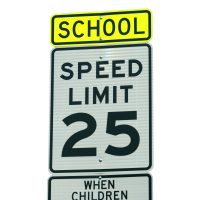
When a driver hits your child in a school zone and says they “didn’t see the speed limit sign,” that excuse does not let them off the hook. The law requires drivers to slow down when they’re in an area with children, whether or not they saw a sign. If your child was injured by a driver going too fast near a school, you can hold that driver responsible, no matter what excuses they make about missing signs.
California law says drivers must drive safely based on what’s happening around them, not just follow the signs they notice. When your child gets hurt because someone was speeding through a school zone, you have the right to get money for medical bills, your child’s pain and suffering, future care your child will need, and the trauma your whole family has been through. Knowing your legal rights is the first step to getting justice and helping your family recover.
If your child was injured by a negligent driver in a school zone, contact Hicks Law Firm, PC at 866-HICKS-LAW immediately for a free consultation. You deserve answers, and your child deserves justice. Let our Orange County pedestrian accident attorneys help you.
Why “I Didn’t See the Sign” Doesn’t Protect a Negligent Driver
After your child is struck by a vehicle in a school zone, you may hear the driver or their insurance company claim they didn’t see the speed limit sign. This excuse might work for fighting a traffic ticket, but it holds no weight when it comes to your child’s injuries and your family’s suffering.Set featured image
California Vehicle Code requires all drivers to operate their vehicles at speeds that are “reasonable and prudent” for current conditions. This means a driver traveling through a school zone must recognize obvious indicators that children are present and adjust their speed accordingly, regardless of what signs they claim to have seen or missed.
School zones are marked by multiple obvious features beyond just speed limit signs. Crosswalks painted on the road, crossing guards in bright vests, school buildings clearly visible, children walking on sidewalks, school buses stopping, flashing yellow lights, and the presence of young pedestrians all signal to any reasonable driver that extra caution is required.
When a driver claims they didn’t see a sign while traveling through an area with all these warning indicators, they’re essentially admitting they weren’t paying adequate attention to their surroundings. That inattention is negligence, and it’s exactly why your child was hurt.
How AB 382 Strengthens Protection for Children
Assembly Bill 382 gave California cities and counties expanded authority to set lower speed limits in areas where children gather. The law, which took effect in 2024, allows local governments to establish speed limits as low as 20 mph near schools, parks, and playgrounds.
This legislation exists because speed kills, especially when young pedestrians are involved. At 20 mph, a driver has more time to see a child and stop before impact. If a collision does occur, the child has a significantly better chance of surviving without catastrophic injuries. At 30 or 35 mph, the outcomes are drastically worse.
Major California cities have implemented lower speed limits on hundreds of streets near schools using this new authority. If your child was injured in a school zone where the speed limit had been recently reduced, the driver’s claim that they “didn’t know” about the new limit doesn’t excuse their negligence. Drivers are responsible for obeying all posted speed limits and driving safely around children.
Insurance Companies May Try to Deny Your Claim
After your child is injured, you’ll likely deal with the driver’s insurance company. Understanding their tactics helps you protect your family’s rights and avoid being taken advantage of during an already difficult time.
Insurance adjusters may contact you quickly, sometimes within hours of the accident. They often seem sympathetic and helpful, but remember their job is to minimize what their company pays out. They may offer a fast settlement that seems substantial but doesn’t account for long-term medical needs, future therapy, or complications that haven’t appeared yet.
Common tactics insurance companies use include:
Blaming the Child
Adjusters may claim your child darted into traffic, wasn’t paying attention, or violated pedestrian right-of-way rules. While California does allow for comparative negligence, courts recognize that children don’t have the same judgment and awareness as adults. A driver in a school zone has heightened responsibility to watch for unpredictable child behavior.
Shifting Responsibility to the School or City
The insurance company might argue that poor signage, inadequate crossing guards, or unsafe crosswalk placement caused the pedestrian accident, not the driver’s speed or inattention. They want to redirect your claim away from their insured driver.
Downplaying Injuries
If your child’s injuries aren’t immediately obvious or if they seem to be recovering well initially, adjusters may claim the injuries are minor or unrelated to the accident. Many serious injuries in children, including traumatic brain injuries and psychological trauma, don’t fully manifest right away.
Using Your Statements Against You
Anything you say to an insurance adjuster can be twisted and used to deny or reduce your claim. If you apologize (a natural human reaction), express uncertainty about what happened, or minimize your child’s injuries to stay positive, these statements can hurt your case.
Don’t speak to insurance adjusters without legal representation. Let an experienced attorney handle all communication and negotiation while you focus on your child’s recovery.
Your Child Deserves Justice, and You Deserve Support
No parent should have to watch their child suffer because a driver was going too fast through a school zone. When someone’s negligence injures your child, you have every right to hold them accountable and pursue the compensation your family needs to move forward.
The excuse “I didn’t see the sign” doesn’t change what happened to your child. It doesn’t pay medical bills, ease your child’s pain, or give you back the sense of safety you lost. What it does is highlight the driver’s failure to exercise reasonable care in an area specifically designed to protect children.
You don’t have to face this fight alone. Experienced Orange pedestrian accident attorneys at Hicks Law Firm, PC, understand what you’re going through and can guide you through the legal process while protecting your family’s rights and interests.
Contact Hicks Law Firm, PC today at 866-HICKS-LAW or 949-541-9944 or fill out our confidential contact form.
Your child’s recovery and your family’s future are too important to leave to chance.


Aaron Hicks is a civil trial attorney and founder of Hicks Law Firm, based in Orange County with offices in San Diego and Tennessee. His practice includes representing plaintiffs in personal injury cases including motor vehicle accidents, premises liability, dog bites and wrongful death. Mr. Hicks is and AV Rated attorney, Super Lawyer and is currently on the Board of Directors of the Orange County Trial Lawyers Association where he serves as 1st Vice President.
